Developing a New E-commerce Platform with Use Case 2.0: A Comprehensive Guide

Developing a New E-commerce Platform with Use Case 2.0: A Comprehensive Guide

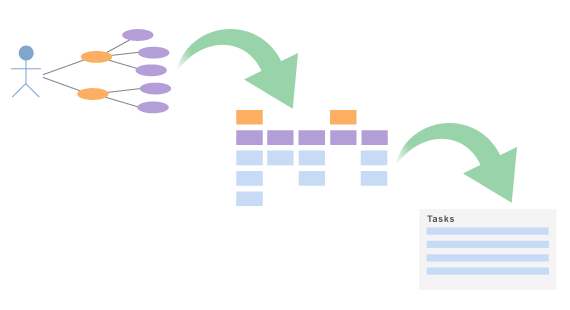
Use case 2.0 is an updated and evolved version of the traditional use case methodology used in software development. This new approach to use case modeling introduces several new concepts and techniques to help streamline the software development process and improve collaboration between development teams and stakeholders. In this article, we will explore what is new in Use Case 2.0 and the differences between this new methodology and the traditional use case approach. Traditional Use Case Methodology The traditional use case methodology involves creating use cases to capture the functional requirements of a…continue reading →
Understanding Use Case Scenarios: Modeling System Behavior with Normal, Exception, and Alternative Paths

Understanding Use Case Scenarios: Modeling System Behavior with Normal, Exception, and Alternative Paths

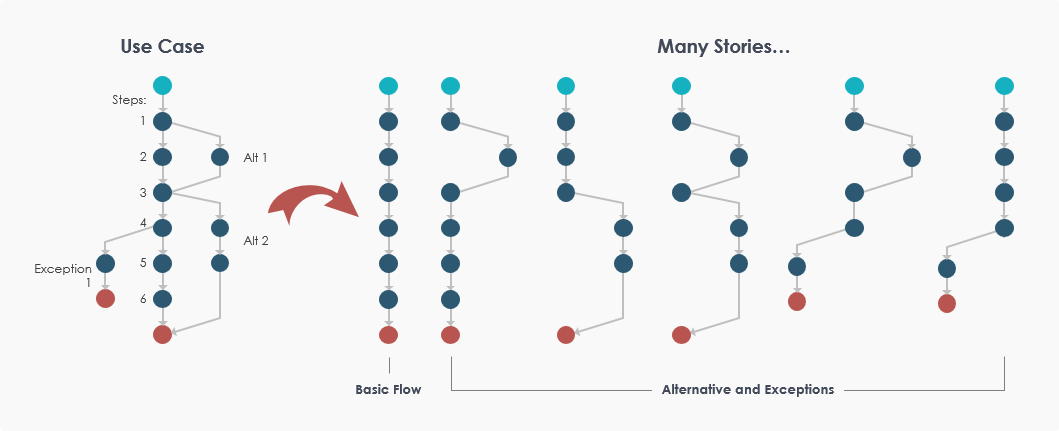
Use case modeling is a powerful technique for defining and describing the interactions between a system and its users or other systems. It provides a clear and concise way to document the functional requirements of a system and its behavior in response to user or system inputs. In this article, we will explore the concept of use case scenario, its purpose, and how it can be used to model a system's behavior. What is a use case scenario? A use case scenario is a specific sequence of steps that describes the interaction between…continue reading →
Structuring Use Cases: A Comprehensive Guide to Defining User Goals, Actors, and Outcomes

Structuring Use Cases: A Comprehensive Guide to Defining User Goals, Actors, and Outcomes

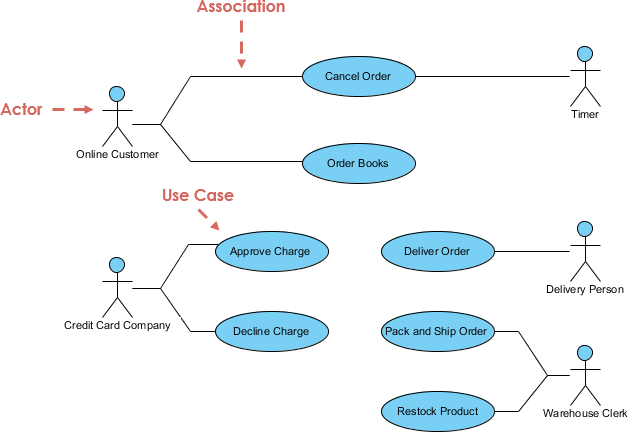
What is Use Case Modeling Use cases are an important tool in software development to help define the system requirements and ensure that the end product meets the user's needs. A well-structured use case describes the steps a user takes to accomplish a specific goal, and it provides a clear understanding of what the system needs to do to support that goal. In this guide, we will explore how to structure use cases with a focus on the goals, why they are important, and how to create effective use cases. Goals of Use…continue reading →
Structuring Use Cases with Base, Include, and Extend: A Guide for Effective Software Development

Structuring Use Cases with Base, Include, and Extend: A Guide for Effective Software Development

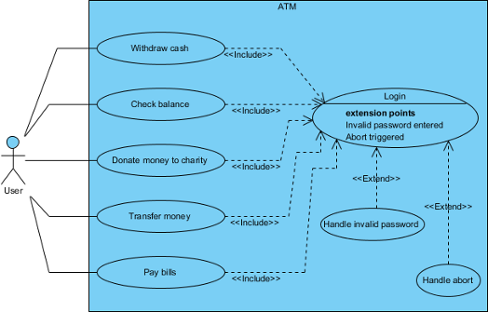
What is Use Case Modeling Use cases are an important tool in the field of software development, as they help to specify how a user will interact with a particular system. They provide a clear and concise way to document the functionality of a system, and can be used to ensure that developers are building software that meets the needs of its intended users. When creating use cases, it is important to structure them in a way that makes them easy to understand and implement. One way to do this is to use…continue reading →
From Use Case to MVC Framework: A Guide Object Oriented System Development

From Use Case to MVC Framework: A Guide Object Oriented System Development

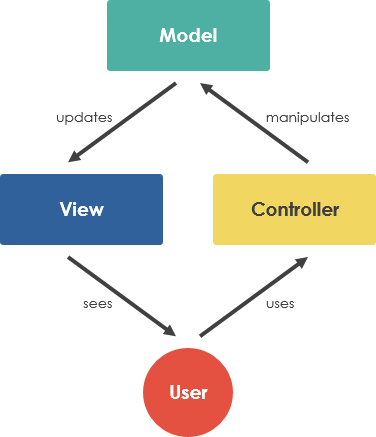
Class diagrams are a key component of object-oriented programming, helping developers visualize the structure of their software and its interactions. In software development, it's important to identify classes based on a use case to create an accurate and effective class diagram. In this article, we'll explore the steps involved in identifying classes based on a use case and then developing a class diagram. We'll also discuss how to refine a class diagram into an MVC detailed class diagram. Step 1: Identify Use Cases Before creating a class diagram, it's essential to understand the…continue reading →